
Know What to Do When a Child Stops Breathing
Child and infant CPR training for parents, caregivers, and educators in Roebling, New Jersey and surrounding areas.
You care for children in Roebling, New Brunswick, Trenton or a surrounding area, whether at home, in a classroom, or at a daycare facility, and you know that emergencies involving young children unfold differently than those involving adults. A child who chokes, stops breathing, or collapses requires immediate action, and the techniques you use must account for smaller airways, different chest structures, and the psychological intensity of pediatric crises. Child CPR sessions from Garden State Emergency Training teach you the age-specific skills you need to respond effectively when a child or infant is in distress and professional help has not yet arrived.
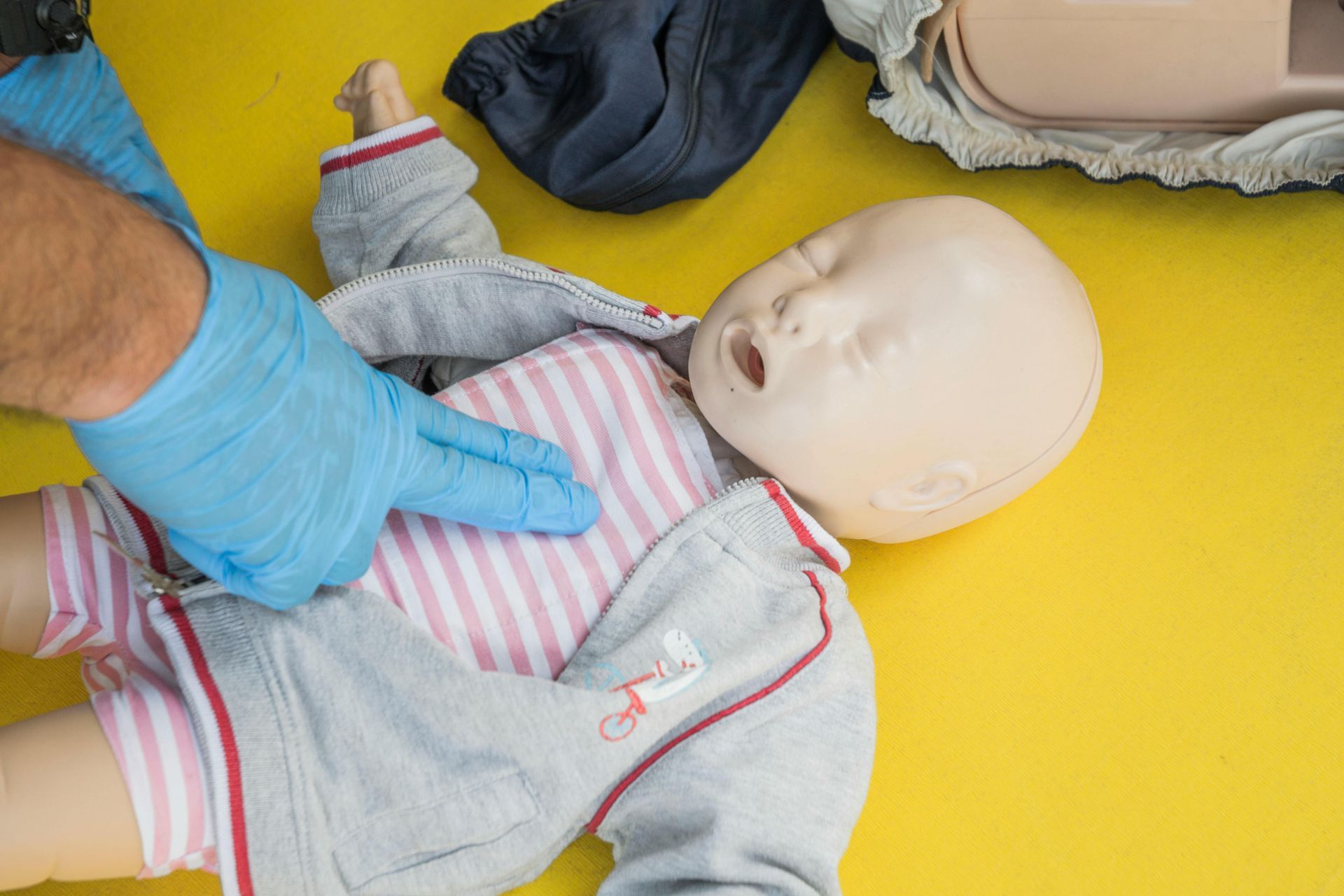
These sessions focus on CPR techniques tailored for infants and children, including chest compressions, rescue breathing, and airway obstruction relief. Instruction is hands-on and delivered in clear, easy-to-follow steps that you can recall under stress. You practice on training manikins designed to simulate pediatric anatomy, and instructors walk you through the differences between infant and child responses. Training is ideal for parents, grandparents, teachers, babysitters, childcare providers, and anyone who spends time with children and wants to be prepared for high-stress medical situations.
If you live or work in the Roebling, NJ area and want to learn pediatric CPR in a supportive, practical setting, contact Garden State Emergency Training to schedule a session.
What You Practice During a Child CPR Class
You spend the session practicing chest compressions, rescue breaths, and choking relief on pediatric training manikins. Instructors in Roebling guide you through hand placement, compression depth, breathing rhythm, and how to adjust your approach based on whether the victim is an infant or a child. You learn how to check for responsiveness, open an airway, and deliver effective compressions without causing additional harm.
After completing the session, you will be able to recognize when a child is in cardiac arrest, perform CPR correctly, and clear an obstructed airway using age-appropriate techniques. You will leave with the confidence to act quickly during a pediatric emergency and the knowledge to continue care until paramedics arrive. Your ability to stay calm and execute the correct sequence improves significantly after hands-on practice.
Sessions typically last a few hours and include time for questions and repeated practice. Garden State Emergency Training keeps class sizes small so you receive direct feedback and have ample opportunity to work through each step. Training does not replace medical care, but it equips you to stabilize a child in the critical minutes before professional responders take over.
Common concerns before your first class
People new to pediatric CPR training often wonder whether they will remember the steps under pressure and whether the techniques are difficult to learn. Here are answers to the questions most frequently asked before scheduling.
Garden State Emergency Training offers child CPR sessions that prepare you to respond when a young child or infant needs immediate help. If you care for children in Roebling and want to build life-saving skills in a hands-on, supportive environment, get in touch to reserve your spot in an upcoming class.