First Aid Training for Complex Injuries and Emergencies
Garden State Emergency Training offers advanced first aid courses for supervisors, safety teams, and responder roles in Roebling, New Jersey or a surrounding area.
When you work in an environment where injuries can be more severe, response times are longer, or you are expected to manage medical situations until advanced care arrives, basic first aid may not cover enough. Advanced first aid training in Roebling, Trenton, or a surrounding area expands on foundational skills by teaching you how to assess patients more thoroughly, manage complex injuries like chest trauma and head injuries, and monitor vital signs over time. Garden State Emergency Training structures the course for people who already have basic first aid knowledge and need to build on it with more detailed assessment techniques and decision-making skills.
The course covers patient assessment from head to toe, how to recognize internal bleeding and shock progression, how to treat severe burns and crush injuries, and how to manage spinal injuries without causing further harm. You will learn to monitor breathing, pulse, and level of consciousness, and how to document changes that help paramedics understand what happened before they arrived. This training is appropriate for safety coordinators, team leads, outdoor program staff, and anyone whose role includes managing emergencies in high-risk or remote settings. Sessions typically run four to six hours and include scenario-based practice where you assess and treat injuries under observation.
Garden State Emergency Training can schedule advanced first aid training in Roebling or a neighboring community for your team or organization with scenarios tailored to your work environment.
Building Assessment Skills and Patient Monitoring Ability
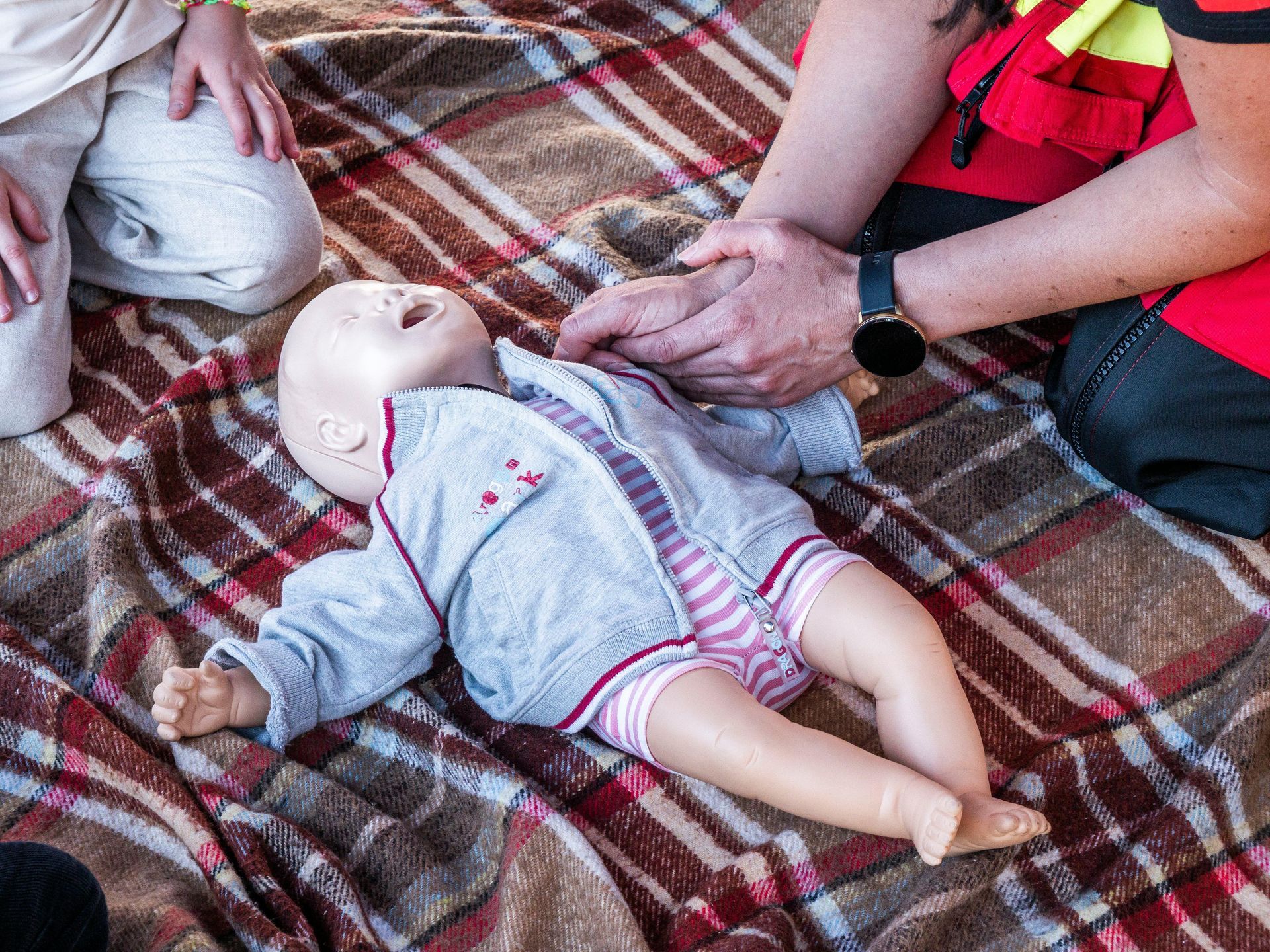
Your instructor guides you through full patient assessments, teaching you how to check for injuries you cannot see, how to interpret changes in skin color and breathing rate, and how to prioritize treatment when multiple injuries are present. In Roebling, courses are held in training spaces where you can practice assessments on simulated patients and work through scenarios that require you to make decisions based on changing conditions. You will practice treating serious bleeding, stabilizing fractures, and positioning patients to prevent shock while monitoring their status continuously.
After the course, you will be able to conduct a systematic assessment, recognize when an injury is life-threatening versus serious but stable, and provide detailed information to emergency responders when they arrive. You will know how to manage a patient over an extended period, such as during a delayed rescue or transport, and how to adjust treatment if their condition changes. Many supervisors and safety coordinators report that this training changes how they approach workplace incidents because they can now assess situations instead of reacting to symptoms.
Garden State Emergency Training emphasizes calm decision-making and patient monitoring, which are critical when you are the most trained person on site until help arrives. The course does not cover surgical procedures or advanced airway management, but it does prepare you to handle injuries that go beyond cuts and sprains. This training is often required for roles that involve wilderness programs, industrial sites, or locations where emergency services face longer response times.
What You Should Know Before Enrolling
People in Roebling who are considering advanced first aid training often ask about prerequisites, how the course differs from basic training, and what scenarios are included.
If you are responsible for managing emergencies in a higher-risk environment or need to prepare your team in Roebling to respond to complex injuries, Garden State Emergency Training offers advanced first aid instruction with scenario-based practice and patient monitoring skills. Contact us to schedule a course and discuss your team's specific training needs.